Skip to content

About TerraLab

TerraLab builds AI plugins for QGIS.

TerraLab is a French geospatial AI company that builds AI plugins for QGIS for the GIS professionals who map and analyse imagery: AI Segmentation, AI Edit and AI Agent. The same team trains detection models, deploys them on client servers and builds 3D digital twins when a project goes beyond what the plugins do.

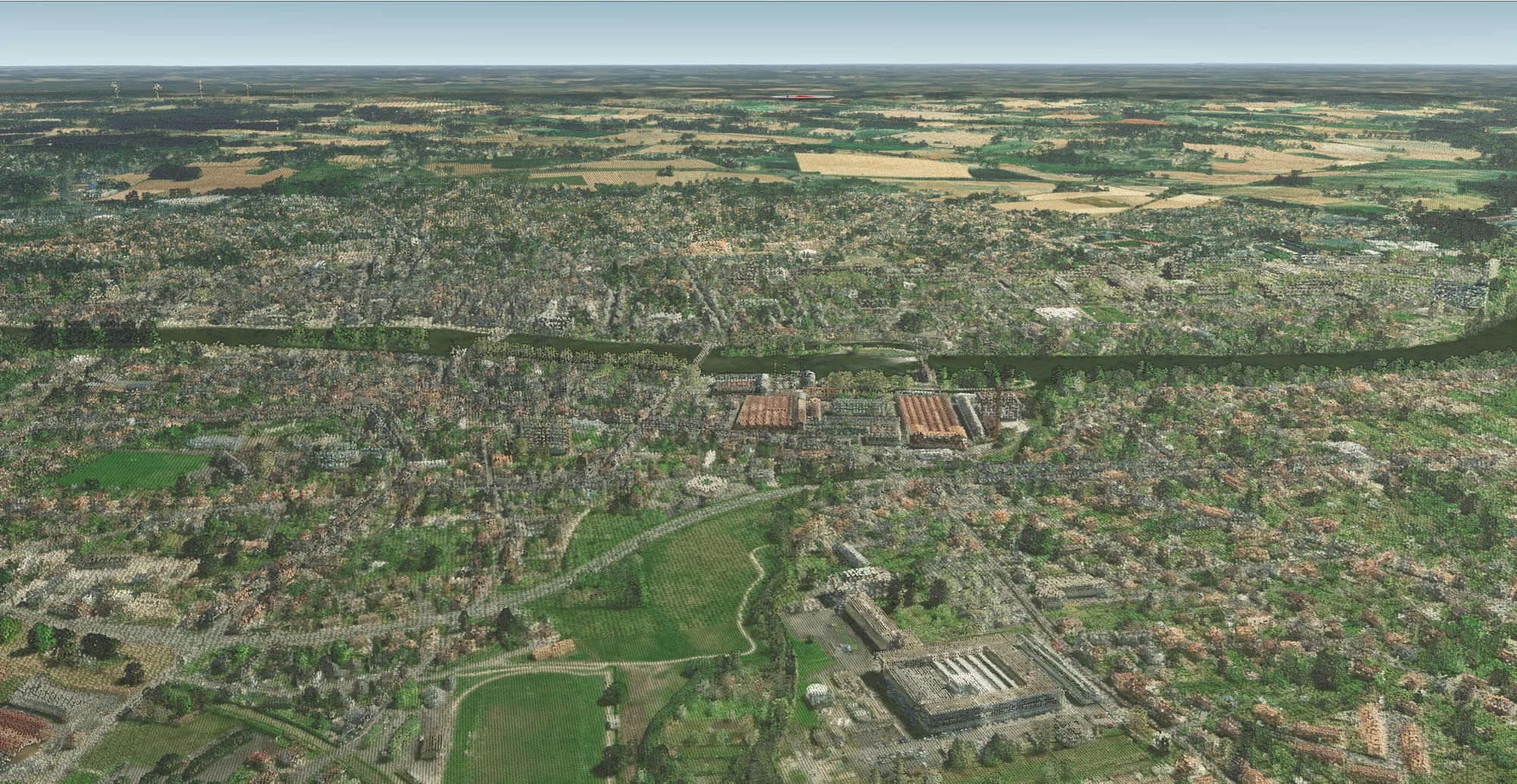
Aerial 3D view of a territory rendered by TerraLab Twin
TerraLab Twin, our 3D engine
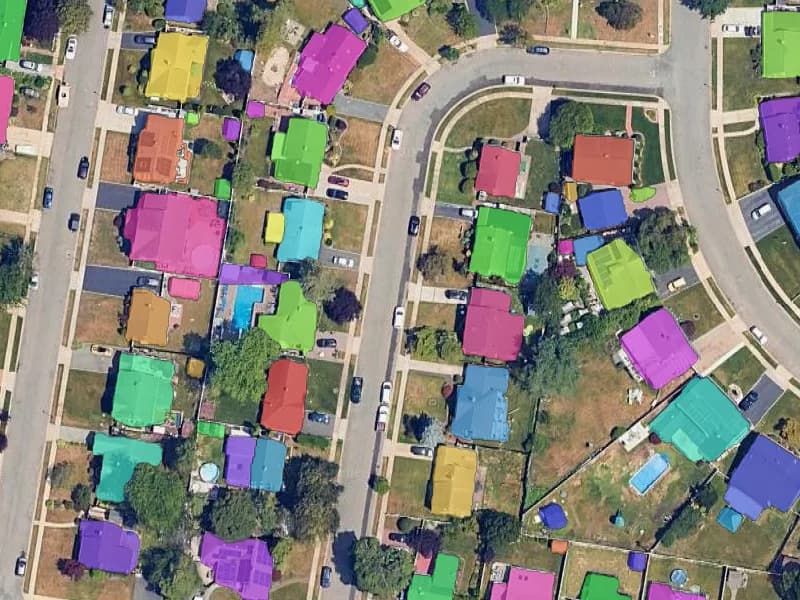
House roofs detected by AI Segmentation, each drawn as a coloured polygon
AI Segmentation in QGIS
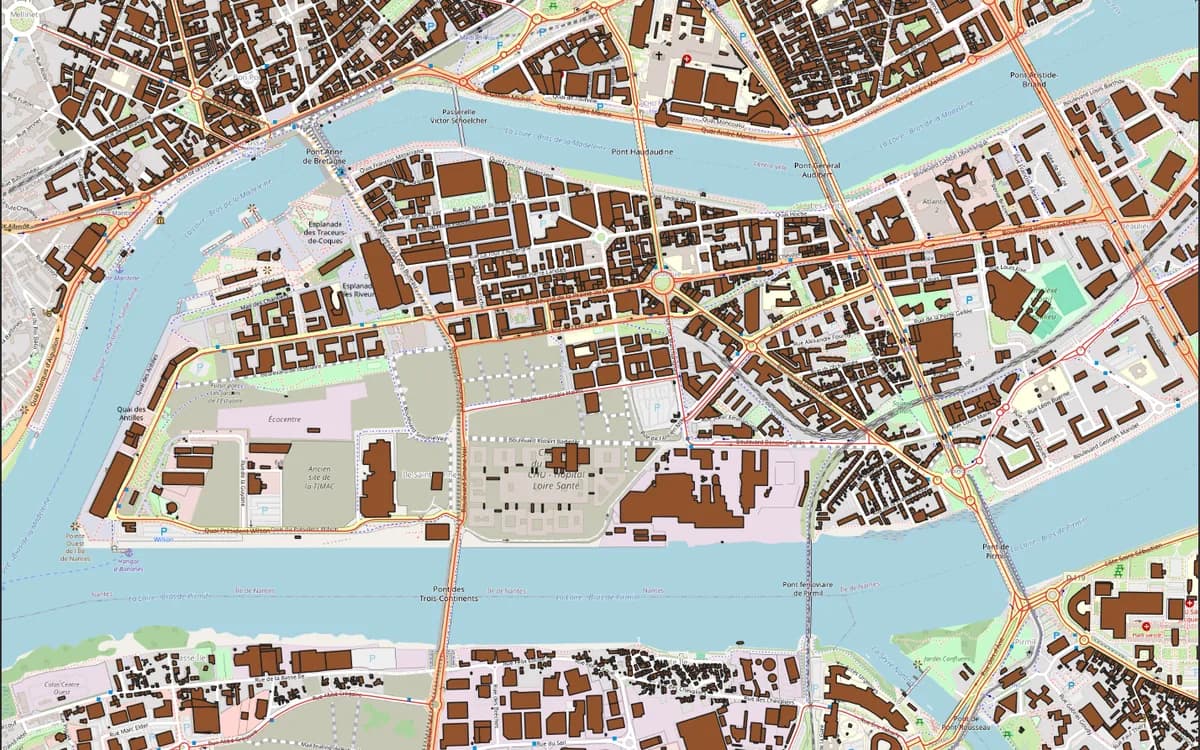
The AI Agent panel in QGIS next to a map of Nantes buildings it selected
AI Agent in QGIS
installs
94,000+
average rating · 530 reviews
4.5/5
countries with TerraLab users
180+
plugins in the QGIS repository
3

What TerraLab does

TerraLab makes three QGIS plugins and takes on custom geospatial AI projects. The plugins install from the official QGIS plugin repository and start free, with no card.

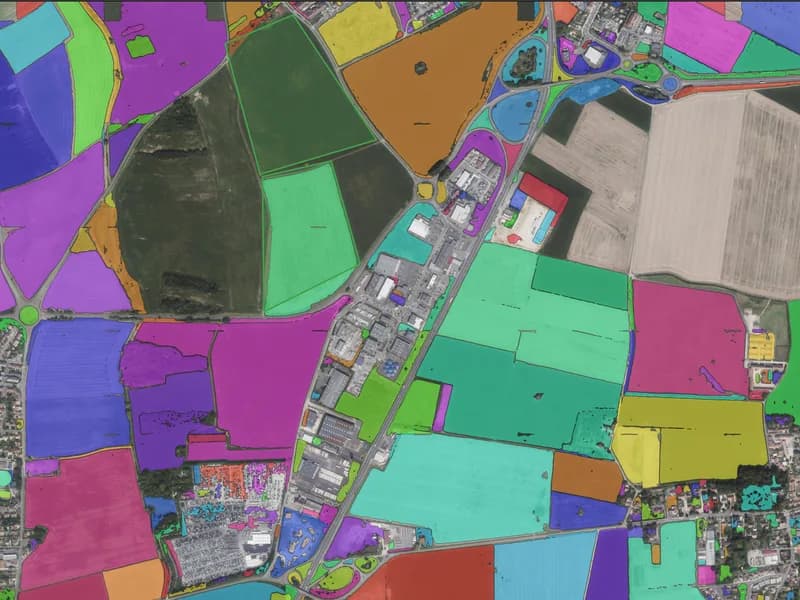
Farm fields detected by AI Segmentation, each drawn as a coloured polygon
QGIS plugin

AI Segmentation

Finds objects in satellite, aerial and drone imagery and draws them as vector polygons in your QGIS project: buildings, trees, roads, water, fields. Type what you are looking for or click on it, then review what it found instead of tracing every outline by hand.

See AI Segmentation
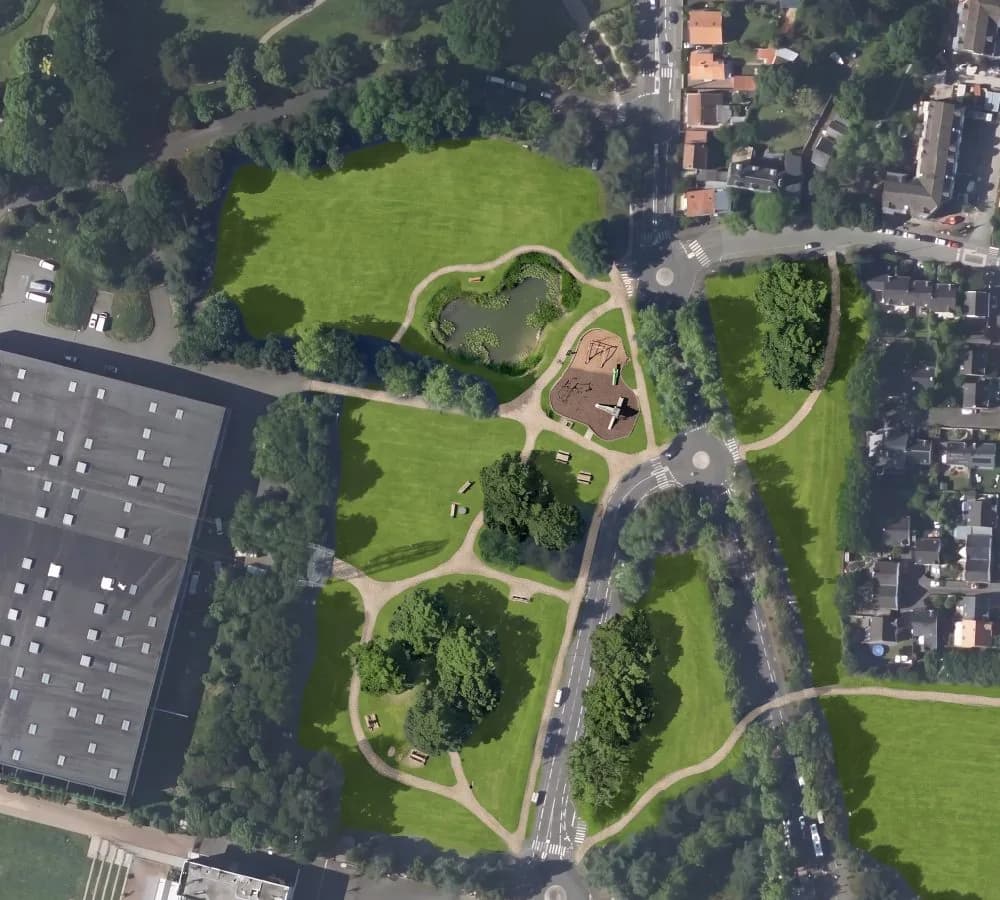
A park designed by AI Edit on a real aerial photo
QGIS plugin

AI Edit

Changes what aerial imagery shows from a written instruction: a planned building, a planted street, a cleared site. The result comes back as a georeferenced image aligned with the source, so planners and consultancies can show a project on the real site before it exists.

See AI Edit
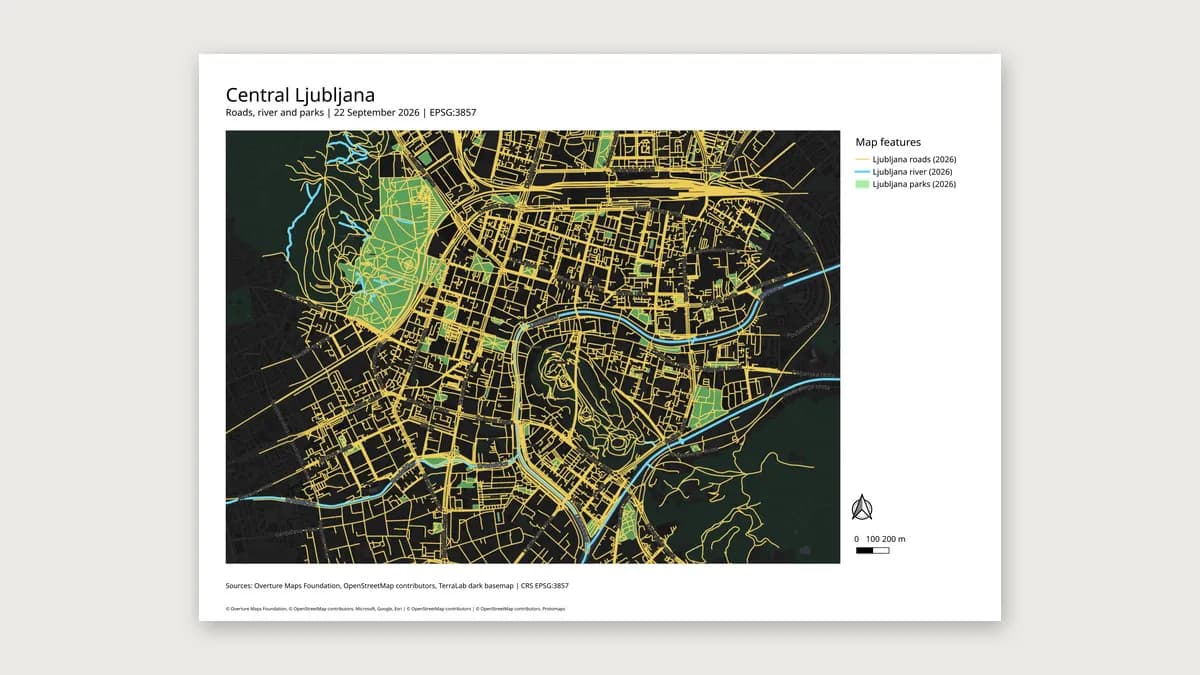
A print layout of central Ljubljana built by AI Agent
QGIS plugin

AI Agent

Carries out a task you describe in plain language inside the QGIS project you have open. It loads open data, runs Processing tools, styles layers and builds print layouts.

See AI Agent
Service

Custom geospatial AI

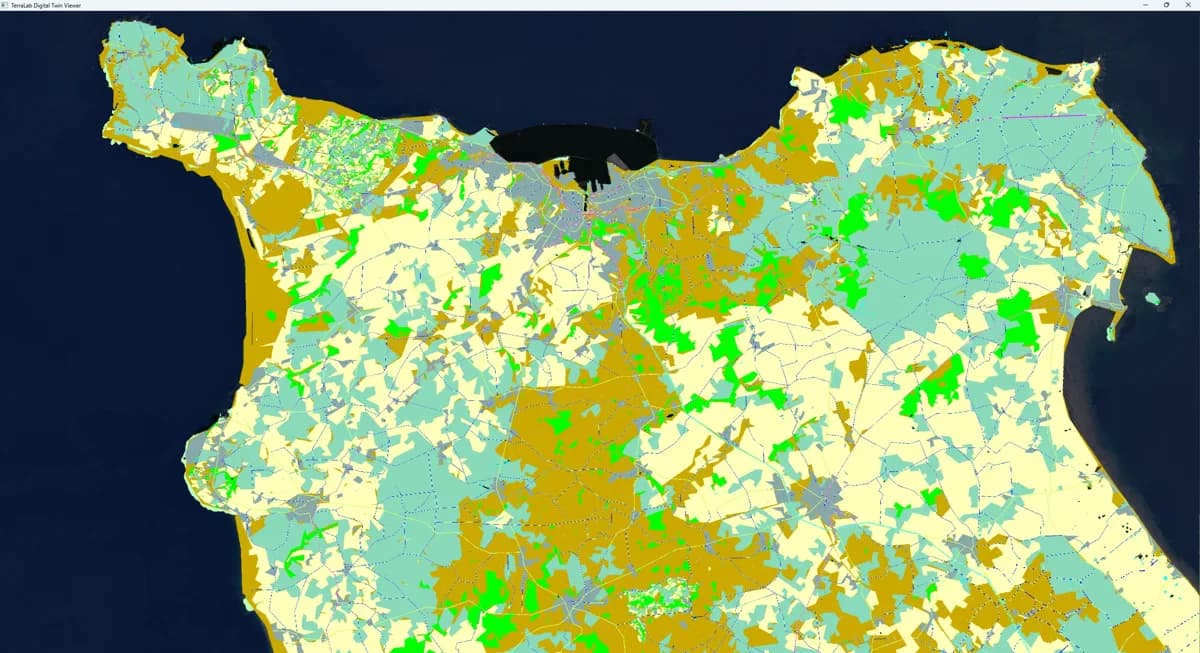
When the plugins do not cover a case, the team takes on the project. We train detection models on your imagery and your object classes, run bulk extraction over a whole territory, deploy detection on your own servers when data cannot leave your network, and build 3D digital twins. Results arrive as layers you open in QGIS.

Land cover of the Cotentin peninsula extracted as vector layers
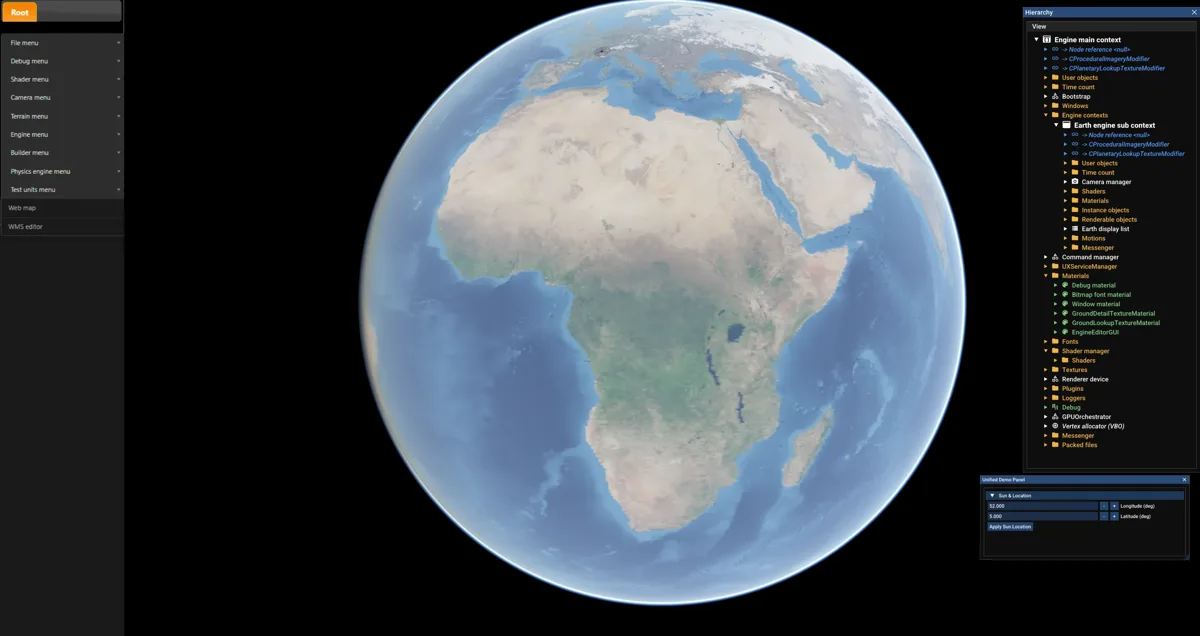
TerraLab Twin rendering the whole Earth in real time
Research

Research and development

TerraLab Twin is the real-time 3D geospatial engine the team develops as research. Written in C++ for the GPU, it fuses LiDAR point clouds and orthoimagery into a territory you can move through. It is not sold as a product: it is what lets us take on 3D and digital twin projects for clients.

What makes TerraLab different

Five facts set TerraLab apart from the other AI tools GIS teams compare it with.

  • Where it runs

    TerraLab: Inside the QGIS project you have open. Results land as layers, in your project's coordinate system.

    FlyPix AI has no QGIS plugin: imagery goes up to its web platform and comes back as files to import.

  • What it costs

    TerraLab: A free tier with no card, then Pro from €29 a month per plugin. Cancel in one click.

    Picterra publishes no price and starts with a sales call. Esri sells ArcGIS Pro by the year.

  • Who holds your data

    TerraLab: A French company under EU law. AI Segmentation stores and processes imagery on servers in Europe.

    Mapflow is run by Geoalert under a contract governed by Delaware law.

  • What one account covers

    TerraLab: Detection, image editing and an agent, all three in the Pack for €89 a month.

    Mapflow and Deepness focus on detection alone.

  • When the plugin is not enough

    TerraLab: The engineers who wrote the plugins train a model on your imagery or deploy on your servers. You write to them directly.

    Deepness is open source and runs your models locally, but training them is up to you.

Who uses TerraLab

TerraLab plugins have 94,000+ installs from the QGIS plugin repository, from accounts in more than 180 countries. They are built for:

  • Engineering and environmental consultancies that map buildings, roads and land cover for their clients
  • Land surveyors and geomatics firms that digitize imagery for cadastre, planning and infrastructure
  • Forestry, agriculture and mining companies that monitor large areas from satellite and drone imagery
  • Urban planners, architects and landscape designers who show a project on the real site
  • Public agencies and humanitarian organisations that map territories, camps and settlements
  • Independent GIS consultants and freelancers who sell mapping work
  • Researchers and students in geography and remote sensing

Customers we work with

Customers include a French state territorial agency, a French public research institute, an Austrian humanitarian organisation, and engineering, survey, forestry, agritech and mining companies in the United States, South Africa, Australia, Brazil and the Netherlands.

People at these organisations have TerraLab accounts

EiffageEiffage
UNESCOUNESCO
IGNIGN
CiscoCisco
Van OordVan Oord
StanfordStanford
SNCFSNCF
ICEYEICEYE
Deutsche BahnDeutsche Bahn
CNRSCNRS
ENGIEENGIE
WSPWSP
SuezSuez
RepsolRepsol
AECOMAECOM
EiffageEiffage
UNESCOUNESCO
IGNIGN
CiscoCisco
Van OordVan Oord
StanfordStanford
SNCFSNCF
ICEYEICEYE
Deutsche BahnDeutsche Bahn
CNRSCNRS
ENGIEENGIE
WSPWSP
SuezSuez
RepsolRepsol
AECOMAECOM
EiffageEiffage
UNESCOUNESCO
IGNIGN
CiscoCisco
Van OordVan Oord
StanfordStanford
SNCFSNCF
ICEYEICEYE
Deutsche BahnDeutsche Bahn
CNRSCNRS
ENGIEENGIE
WSPWSP
SuezSuez
RepsolRepsol
AECOMAECOM

The team behind TerraLab

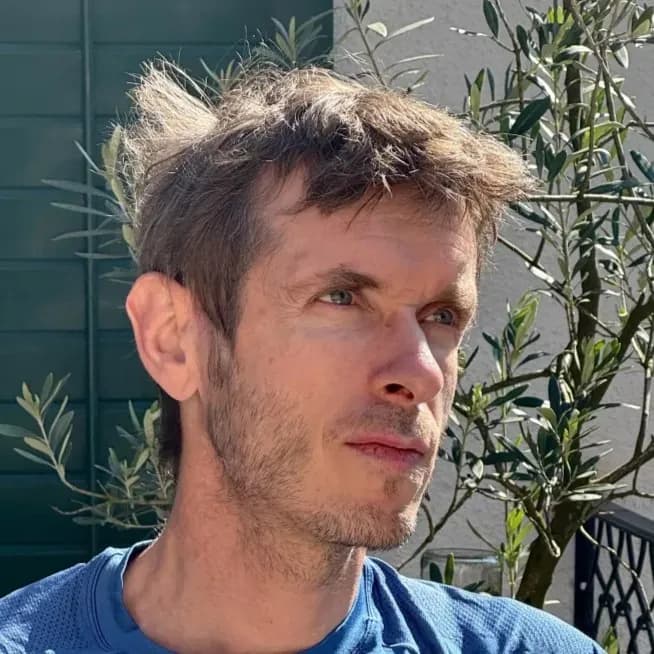
TerraLab started in late 2024 as TerraLab3D, a real-time 3D engine for geospatial data that Stéphane Barbot wrote after 25 years in 3D and driver-assistance software. In 2025 Yvann Barbot and Lilien Auger, two AI engineers from 42 Paris, joined him and turned the work toward the software geospatial teams already use every day. AI Segmentation and AI Edit reached the official QGIS plugin repository in 2026, TerraLab SAS was registered in Paris on 2 May 2026, and AI Agent followed in September 2026.

Four people: two co-founders who build the plugins and run the company, a technical lead for research and custom models, and an advisor with 20 years in GIS.

  • Yvann Barbot

    Yvann Barbot

    Co-founder

    Yvann builds the three plugins, the models behind them and the servers they run on, and answers support mail. He was an AI engineer at Mago, at Station F, and his open-source work has passed 1,200 GitHub stars.

  • Lilien Auger

    Lilien Auger

    Co-founder

    Lilien builds the plugins with Yvann and runs sales: team plans, quotes and the calls users book. He was an AI engineer at Publicis, and his open-source work has passed 500 GitHub stars.

  • Stéphane Barbot

    Stéphane Barbot

    Technical lead, R&D

    Stéphane leads research and development: TerraLab Twin, the 3D geospatial engine, and the detection models built for clients. Before TerraLab he was CTO of two companies and worked on driver-assistance systems for Magneti Marelli, PSA, BMW and Maserati.

  • Valérie Barbot

    Valérie Barbot

    Advisor

    Valérie has worked with geographic information systems for 20 years. She advises the team on GIS practice and on what people who use QGIS every day actually need.

How TerraLab got here

  1. Late 2024

    TerraLab3D

    Stéphane Barbot starts a real-time 3D engine for geospatial data.

  2. 2025

    The founders join

    Yvann Barbot and Lilien Auger, AI engineers from 42 Paris, turn the work toward QGIS.

  3. 2026

    First plugins

    AI Segmentation and AI Edit reach the official QGIS plugin repository.

  4. May 2026

    TerraLab SAS

    The company is registered in Paris on 2 May 2026.

  5. Sep 2026

    AI Agent

    The third plugin carries out QGIS tasks from a written request.

  6. Today

    94,000+ installs

    Plugins in use in more than 180 countries, and custom projects for companies and public bodies.

Backed by

Station F logo
NVIDIA logo
42 Incubateur logo
42 logo

How TerraLab works

You deal with the people who build the product, from the first install to a custom project.

With the plugins

  1. 1

    Install from QGIS

    Every plugin is in the official QGIS plugin repository.

  2. 2

    Sign in with an email link

    The free tier starts at once. No card, no call, no sales step.

  3. 3

    Ask a founder

    Write to yvann.barbot@terra-lab.ai or use the report button in a plugin. Answer within one business day.

  4. 4

    Pay the way you need

    Card or invoice for teams of several seats. French public bodies via Chorus Pro.

On a custom project

  1. 1

    A 30-minute call

    About your data and the result you need, in English or French.

  2. 2

    A written quote

    Scope, price and dates on paper before any work starts.

  3. 3

    A pilot on your imagery

    We run it on a sample you choose, and you check the result.

  4. 4

    Delivery

    The full area as layers in your QGIS project, or running on your own servers.

Key facts

TerraLab at a glance, for anyone who needs to check or cite it.

Company name
TerraLab (legal name TerraLab SAS)
Type
Geospatial AI software company
Founded
Work started in 2024 as TerraLab3D. TerraLab SAS was registered on 2 May 2026.
Founders
Yvann Barbot and Lilien Auger, co-founders. Stéphane Barbot, technical lead for R&D.
Headquarters
Paris, France. Registered office at 173 rue de Courcelles, 75017 Paris, France. The team works from Station F.
Core offering
AI plugins for QGIS (AI Segmentation, AI Edit, AI Agent) and custom geospatial AI projects
Pricing
Free tier with no card. Pro per month: AI Edit €29, AI Segmentation €39, AI Agent €49, or all three in the Pack for €89. Prices exclude VAT, and a year costs ten months. Custom projects on quote.
Contract terms
Monthly or yearly, cancel in one click, no minimum commitment
Services
Custom detection models trained on client imagery, bulk extraction over large areas, deployment on client servers, 3D digital twins
Communication
Email and video call, in English and French. Reply within one business day.
Notable clients
A French state territorial agency, a French public research institute, an Austrian humanitarian organisation, engineering, survey and mining companies
Users
94,000+ installs and a 4.5/5 average rating across 530 reviews in the QGIS plugin repository. Accounts in more than 180 countries.
Licence
The plugins are free software under the GNU GPL v2
Competitors
Picterra, FlyPix AI, Mapflow (Geoalert), Esri ArcGIS Pro, Deepness
Programmes
Station F, NVIDIA Inception, 42 Incubateur, 42 Startup Club
Legal identifiers
SIREN 104501861, VAT FR43104501861
Frequently asked questions

  • Yvann Barbot and Lilien Auger, two AI engineers trained at 42 Paris, co-founded TerraLab. Stéphane Barbot leads research and development, and Valérie Barbot advises the team on GIS.
  • In Paris, France. The registered office is at 173 rue de Courcelles, 75017 Paris, France, and the team works from Station F.
  • TerraLab SAS, SIREN 104501861, the French company that makes the AI Segmentation, AI Edit and AI Agent plugins for QGIS. Its website is terra-lab.ai.
  • Yes. For objects the plugins do not detect well, we train a detection model on your imagery and your classes, check it on a sample you validate, and deliver the results as layers in QGIS. It starts with a call about your data.
  • Yes, as a custom project quoted apart from the plugin plans. The standard plugins process imagery on our servers in Europe, and AI Segmentation's Semi-Auto mode also runs on your own machine for free.
  • Yes. The plugin code is free software under the GNU GPL v2, published on GitHub and in the official QGIS plugin repository. The AI models run on TerraLab servers, which is what the Pro plans pay for.
  • Yes, as custom work. TerraLab Twin, our real-time 3D geospatial engine, fuses LiDAR and orthoimagery into a territory you can move through. We use it for client projects that need 3D rather than selling it as a product.
TerraLab

Talk to the team

A plugin question, a team plan or a custom project: write to us or book 30 minutes with Lilien.

A founder answers within one business day.